Code: Newuser10
Code: Newuser10
Dog Bed Size Guide
Every furry friend is a different shape.
Let’s find their perfect fit.
Two taps to the perfect fit — pick a size, spot your pup’s match.
- Popular breeds
 French BulldogSmall
 DachshundSmall
 Cavalier King Charles SpanielSmall
 Yorkshire TerrierSmall
 PomeranianSmall
 BeagleMedium
 German Shorthaired PointerMedium
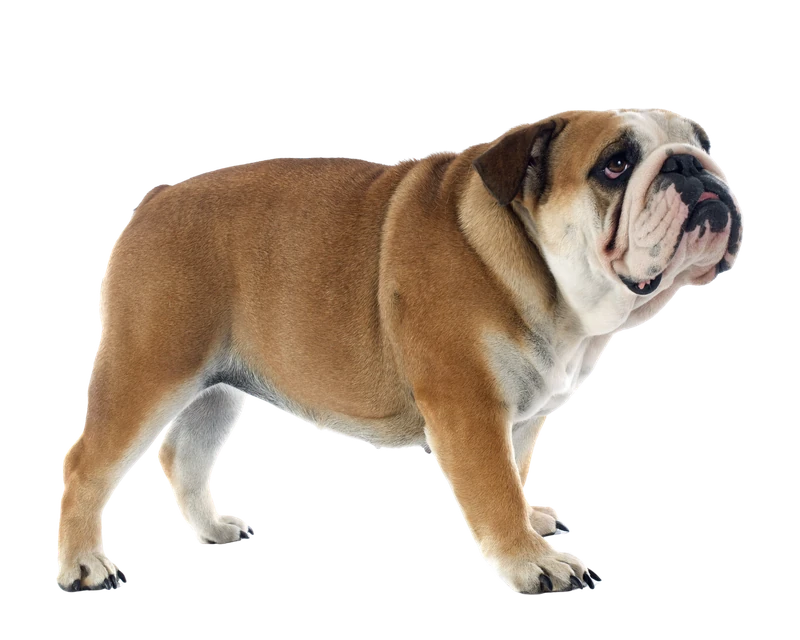 BulldogMedium
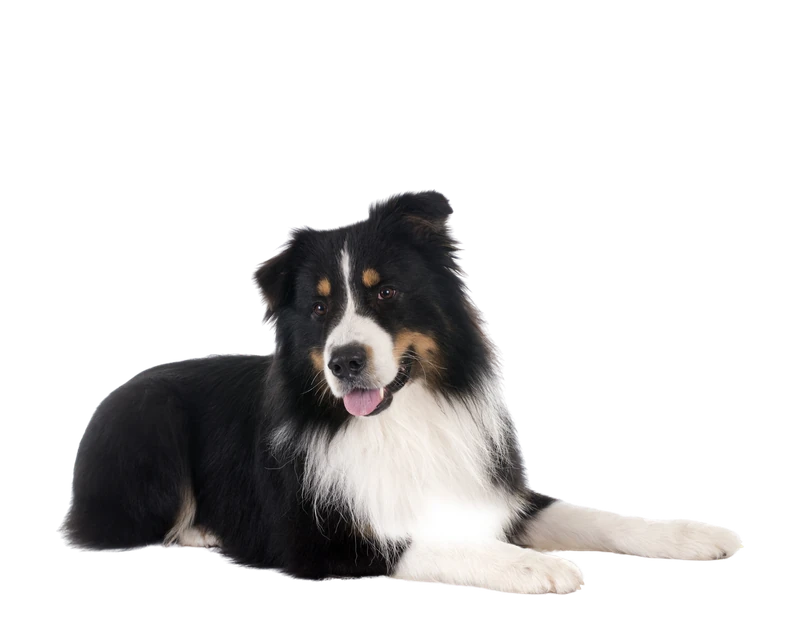 Australian ShepherdMedium
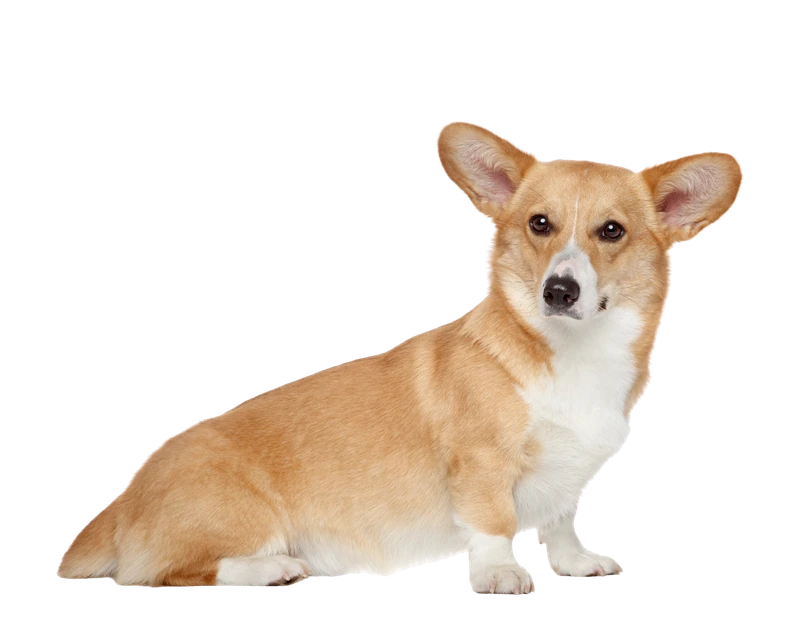 Pembroke Welsh CorgiMedium
 Labrador RetrieverLarge
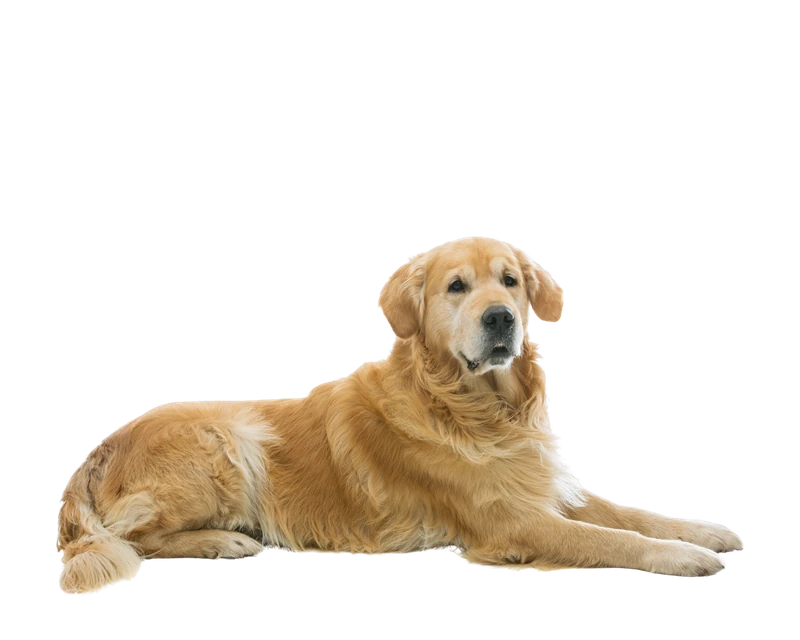 Golden RetrieverLarge
 German Shepherd DogLarge
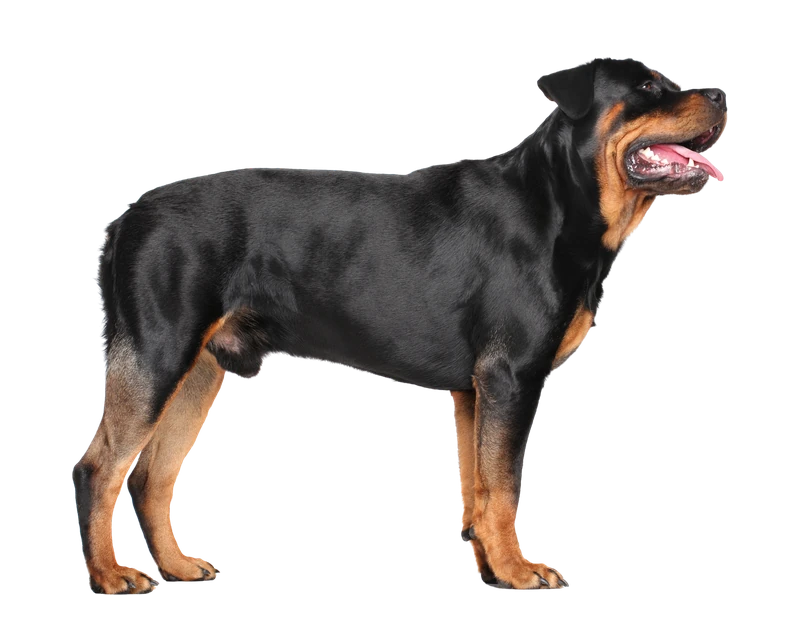 RottweilerLarge
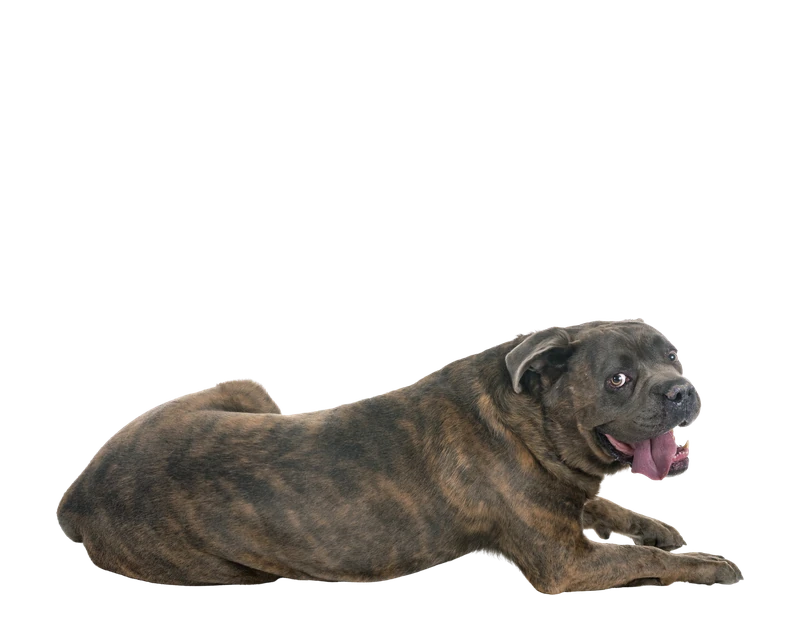 Cane CorsoLarge
- ?Mixed Breed / Not SureBy weight

Roughly, how big is your dog?
No need for an exact number — just your best guess. You’ll narrow it down with a photo next.
Between sizes? Size up — a little extra room beats a cramped bed.
Which one looks like yours?
Tap the closest match.
Every dog here is a rough example — exact breed doesn’t matter, shape does.
Don’t see a close match? Browse all dog beds instead →
Dog bed questions, answered
The things pet parents ask us most — quick answers, right here.
What size dog bed should I get?
Go by your dog’s length, not just their weight. Measure from the tip of the nose to the base of the tail, then add about 6–12 inches — closer to 6 for small dogs, closer to 12 for big dogs. That’s roughly how long the bed’s sleeping area should be.
How do I measure my dog for a bed?
Grab a soft tape measure and take two numbers while your dog is lying down:
1) Length: nose to base of tail. 2) Width: across the widest part of the body, usually shoulder to shoulder.
Add a few inches to each, then compare with the bed’s sleeping area — not its outside dimensions. On bolster and sofa-style beds, the raised edges take up room, so the space inside is smaller than the overall size.
Are orthopedic dog beds worth it?
For many dogs, yes. An orthopedic dog bed uses a thick layer of supportive foam — usually memory foam or high-density foam — instead of loose stuffing, so it spreads your dog’s weight evenly and doesn’t flatten under the hips, elbows, and shoulders.
They’re most worth it for senior dogs, large and giant breeds, dogs with arthritis or hip or elbow dysplasia, and dogs recovering from an injury or surgery. Young, healthy dogs can be comfortable on a regular bed, but a bed that keeps its shape still lasts longer. Browse our orthopedic dog beds.
Should a dog bed be bigger than my dog?
Yes — a little extra room beats a cramped bed. If your dog falls between two sizes, size up, especially if they sleep stretched out, are a large breed, or are a senior who needs room to get on and off comfortably.
The exception: small dogs who love to curl up often feel more secure in a snug bolster or donut bed in their own size. For curlers, a bed that’s too big can feel less cozy.
What size bed does a Labrador, Golden Retriever, or German Shepherd need?
Most adult Labs (55–80 lb), Goldens (55–75 lb), and German Shepherds (50–90 lb) fit a large bed, according to AKC breed weight ranges. If your dog is at the top of that range or loves to sprawl, go one size up.
Giant breeds like Great Danes, Mastiffs, and Newfoundlands (100 lb and up) need the largest size we offer — check the weight capacity on the product page too.
Have a different breed? Type it into the search box at the top of this page and we’ll match it to the right size.
What size bed fits a 36" or 42" dog crate?
Choose a crate bed labeled for your crate’s length — for example, a 42" bed for a 42" crate. Crates are named by their outside length, and the floor inside is a little smaller, so measure the inside floor and pick a bed that’s the same size or slightly smaller. That way it lies flat instead of bunching up.
In a crate, a thinner pad or mat usually works better than a thick bolster bed, because your dog still needs room to stand up and turn around.
More on keeping your dog comfortable
The details that matter — support, airflow, and knowing when to replace.
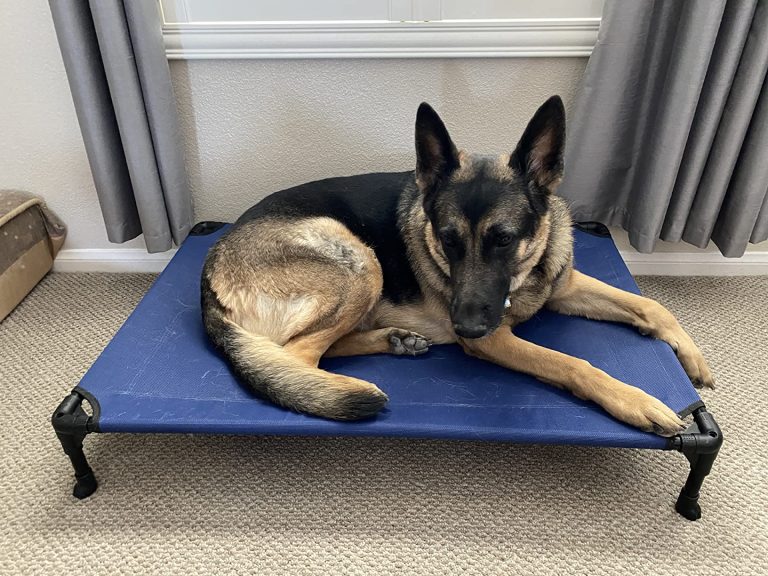
How to Choose the Perfect Bed for Your Dog: 7 Types Explained
Bolster, elevated, orthopedic and more — what each bed type does best and which dogs it suits.
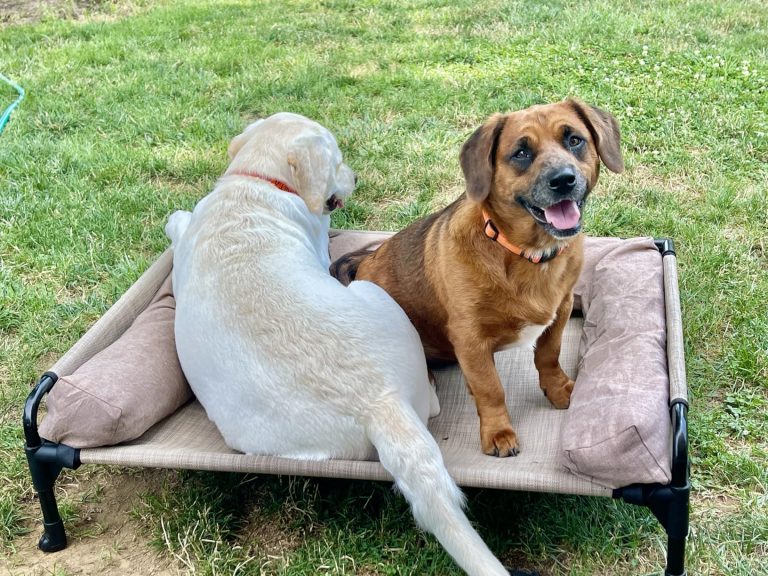
5 Simple Tricks to Get Your Dog to Love Their New Bed
Dog ignoring the new bed? Five trainer-approved tips to help your pup settle in fast.
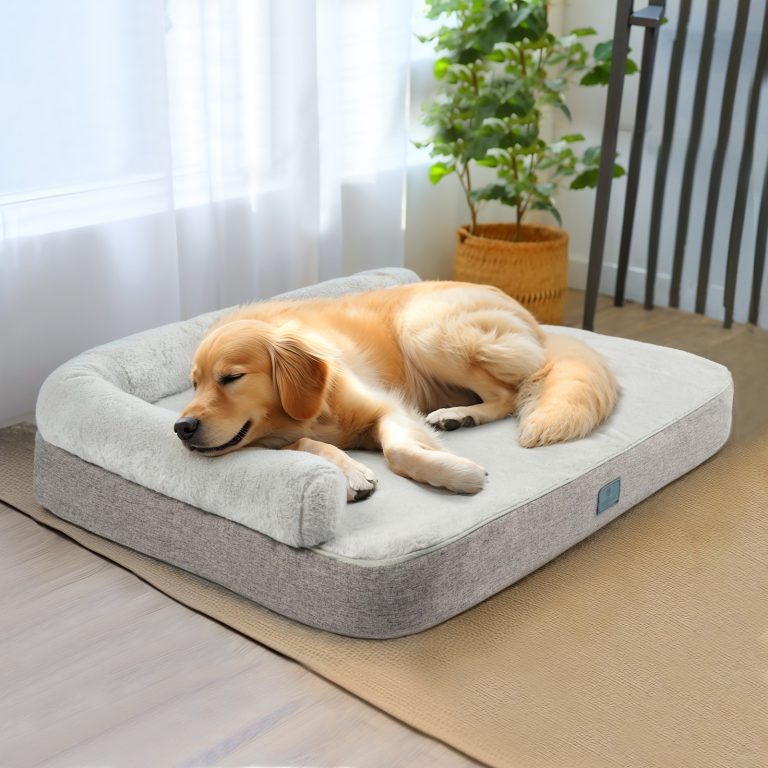
The Ultimate Comfort: Why Your Dog Needs an Orthopedic Dog Bed
How supportive foam eases pressure on joints — and which dogs benefit most.