
A Science-Based Guide to Joint Health Maintenance in Working and Agility Dogs
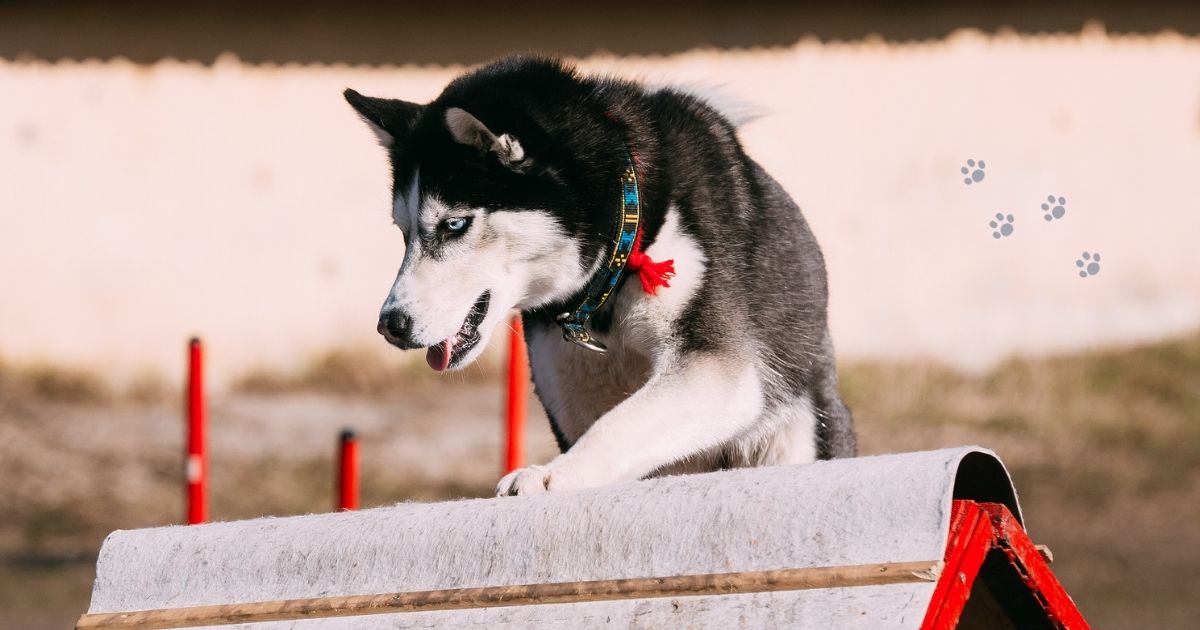
The whistle blows. Your Border Collie explodes from the gate, a blur of muscle and focus. They hit the A-frame with precision, pivot sharply on the weave poles, and launch over the high jump with effortless grace. The crowd cheers. The time is perfect.
But in that split second of landing, a micro-trauma occurs. The cartilage compresses, the ligaments stretch, and the synovial fluid is squeezed out. Then, the next run begins. And the next.
You have trained them for years. You have checked their hips. You have bought the best food. But the data tells a different story. In Golden Retrievers, Labrador Retrievers, German Shepherds, and Border Collies, the incidence of cranial cruciate ligament (CCL) tears is staggering. For German Shepherds, hip dysplasia rates hover around 20-25%, and for Labrador Retrievers, elbow dysplasia affects nearly 10%.
- Labrador Retriever: 21.6% CCL rupture prevalence (highest among large breeds)
- Golden Retriever: 4.6% CCL occurrence; hip dysplasia ~20-25%
- German Shepherd: 8.5% CCL occurrence; hip dysplasia ~20-25%
- Contralateral CCL rupture: 19.1% within median 12.9 months post-first tear
- Agility dogs: Shoulder injuries most common; jump task most demanding on forelimb muscles
We are taught to believe that “perfect performance” equals “perfect health.” But for the working and agility dog, the science says otherwise. The “perfect” run is often a cumulative debt of micro-damage, paid for in inflammation and eventual arthritis.
PART I: WHY — The Hidden Cost of the “Perfect” Run
Your agility or working dog is not just a pet; they are elite athletes. And like human athletes, their bodies are subjected to forces that would break a sedentary dog. The damage is not from a single fall; it is from the repetitive, high-impact stress of training.
1.1 The “Dynamic Micro-Trauma” Loop
Cartilage has no blood supply. It relies on the pumping action of movement to circulate synovial fluid and deliver nutrients. But when that movement is high-impact, repetitive, and forced, the damage outpaces the repair.
THE PHYSICS OF IMPACT
- Landing from jump = 3-5× body weight impact force 70-lb Golden Retriever on concrete = 350-lb equivalent
- Sharp turns create torsional shear stress. Primary driver of CCL tears and meniscal injuries
- One run is fine. Ten runs/day × 5 days/week × years? Recipe for osteoarthritis
1.2 The “Hard Surface” Multiplier
Most training happens on concrete, asphalt, or artificial turf. These surfaces offer zero shock absorption.
| Surface | Shock Absorption | Joint Impact |
| Grass/Natural | High | Low — variable movement allows load distribution |
| Rubber Mats | Moderate | Moderate — some cushioning, repetitive load |
| Concrete/Asphalt | Zero | High — direct shockwave transmission to joint |
1.3 The “Growth Plate” Trap
For young dogs (8-14 months), the growth plates are still open. High-impact jumping and repetitive sprinting before closure can cause epiphyseal dysplasia (ED)—a permanent deformation of the bone.
| Small Breeds | Medium Breeds | Large Breeds | Giant Breeds |
| 6-10 months | 10-12 months | 12-18 months | 18-24 months |
THE GOLDEN RULE
No agility jumps, no long-distance running, no repetitive sprinting
until growth plates are fully closed
(usually 12-14 months for large breeds; confirm with veterinary X-ray)
1.4 The “Muscle Imbalance” Chain
Many working dogs have explosive power but weak core and stabilizer muscles. When the muscles cannot absorb the shock, the joints and ligaments take the full load. A dog with strong quads but weak hamstrings is a ticking time bomb for a CCL tear.
| Strong (Power) | Weak (Stabilization) |
| Quadriceps (explosive power) | Hamstrings (deceleration control) |
| Shoulder flexors (jump take-off) | Core stabilizers (landing control) |
PART II: HOW — Evidence-Based Maintenance
You cannot stop the training. But you can change how you support the athlete’s body. The goal is not to “cure” the wear and tear; it is to manage the inflammation, support the repair, and extend the career.
CORE PRINCIPLE
Working Dog Joint Maintenance = Inflammation Management × Recovery Support × Structural Maintenance
2.1 Timing: Start Before the First Jump
For high-performance breeds, waiting for symptoms is too late. The damage starts with the first jump.
| Training Stage | Start Time | Rationale |
| Foundation Training | 8-10 Weeks (post-vet check) | Early anti-inflammatory support to manage micro-trauma from play |
| Pre-Competition (12+ months) | 4-6 Months | Growth plates closing; transition to structural support |
| Active Competition | Continuous | Ongoing management of chronic inflammation and tissue repair |
2.2 Ingredients: Evidence Over Marketing
The supplement aisle is full of “glucosamine and chondroitin.” But for the elite athlete, that is not enough. Recent studies suggest it might be the wrong tool for acute inflammation.
| GOLD STANDARD Omega-3 (High EPA/DHA) Mechanism: EPA competes with arachidonic acid for COX enzymes, shifting eicosanoid production from pro-inflammatory to less-inflammatory mediators. Converts to resolvins and protectins that actively help resolve inflammation. Roush et al. (2010, JAVMA): • 38 dogs, 90-day RCT, force-plate analysis • Test food: 3.5% fish oil omega-3s • Peak vertical force: +5.6% (test) vs. +0.4% (control) • 82% of test dogs improved vs. 38% of controls • Odds ratio: 7.0 (test dogs 7× more likely to improve) Fritsch et al. (2010, JAVMA): • 127 dogs, 24-week multicenter RCT • Omega-3 enriched diet significantly improved arthritic condition scores • Reduced NSAID (carprofen) reliance | IMMUNE REGULATOR UC-II® (40 mg/day) Undenatured Type II Collagen Mechanism: Oral Immune Tolerance — trains the immune system to recognize cartilage as “friendly” and may help reduce immune response contributing to joint discomfort. Gupta et al. (2012): • Head-to-head vs. glucosamine/chondroitin • Only UC-II group showed significant increase in ground reaction force (improved comfort) • G+C group: no significant difference from placebo Stabile et al. (2022): • vs. cimicoxib (NSAID) • LOAD score ↓ 31.4% • MOBILITY score ↓ 25% • Comparable efficacy to NSAID with a different safety profile | SUPPORTIVE MSM (Optional) Organic sulfur donor Mild anti-inflammatory Supports soft tissue comfort Community endorsement strong RCT evidence limited Best as adjunct, not primary |
| NOT RECOMMENDED AS PRIMARY Glucosamine + Chondroitin • Slow-acting with poor oral bioavailability • Molecules too large to effectively reach joint cartilage • 2023 double-blind RCT (n=75): No significant difference from placebo in peak vertical force improvement • Verdict: Secondary support for structural maintenance in recovery phase; not the main driver for active athletes |
| EVIDENCE-BASED FORMULA FOR WORKING DOGS High-Dose Omega-3 (EPA/DHA) + UC-II (40 mg) + (Optional MSM/Curcumin) Prioritize inflammation resolution over raw material supply. Note: UC-II must maintain tertiary structure and glycosylation. Denaturation destroys efficacy. Choose patent-protected (UC-II®) with third-party testing. |
2.3 Training Adjustments: Protect the Athlete
| Risk Factor | Protective Alternative | Scientific Rationale |
| High-impact training without rest | 1 hour high-impact → 24 hours low-impact recovery | Cartilage repair requires 24-48 hours post-load |
| Concrete/asphalt surfaces | Grass, dirt, or rubber mats | Hard surfaces offer zero shock absorption; grass allows variable movement |
| Weak stabilizer muscles | Balance exercises (wobble boards, discs) | Strong core absorbs shock before joints/ligaments |
| Cold start | Proper warm-up and cool-down | Warm-up increases synovial fluid viscosity; cool-down flushes metabolic waste |
2.4 The Weight Lever: Every Pound Matters
| Every extra pound of “athletic condition” = ~4 pounds of pressure on joints (Quadruped biomechanics) |
| Target BCS: 4-5/9 The healthiest athlete looks slightly leaner |
PART III: Decision Matrix — When to Pause
How do you know if the “perfect” run is cracking the foundation?
| On the Field (Looks Normal) | Behind the Scenes (Warning Sign) |
| Perfect gait during the run | Limping or stiffness after the run |
| Explosive take-off | Hesitation before the jump |
| “Full” muscle tone | BCS > 5/9 (overweight) |
| Rapid recovery | Prolonged soreness (>48 hours) |
STOP TRAINING IF:
• Gait changes persist >48 hours
• Dog hesitates to jump or land
• Flinches when joints touched
• Your gut says something is off — you know your dog better than the judge
Conclusion: Redefining “Champion”
| The “Perfect” Performance of a Working Dog |
| ↓ |
| = A Marvel of Training and Genetics |
| ↓ |
| = With a Physical Price Tag |
| ↓ |
| Requires: Inflammation Management + Recovery Support + Structural Maintenance |
Disclaimer: This article is for educational purposes only and does not constitute veterinary medical advice. Every dog is unique. Always consult your veterinarian and breed club health committee before starting supplements or changing training protocols. Structural show scores are not health assessments. OFA/PennHIP screenings should be interpreted by a board-certified veterinary orthopedic specialist.
References
- Roush JK, et al. (2010). Evaluation of the effects of dietary supplementation with fish oil omega-3 fatty acids on weight bearing in dogs with osteoarthritis. Journal of the American Veterinary Medical Association. 236(1): 67-73. PMID: 20043801.
- Fritsch DA, et al. (2010). A multicenter study of the effect of dietary supplementation with fish oil omega-3 fatty acids on carprofen dosage in dogs with osteoarthritis. Journal of the American Veterinary Medical Association. 236(1): 79-88.
- Gupta RC, et al. (2012). Therapeutic efficacy of undenatured type-II collagen (UC-II) in comparison to glucosamine and chondroitin in arthritic dogs. Journal of Veterinary Pharmacology and Therapeutics. 35(2): 211-219.
- Stabile M, et al. (2022). Evaluation of clinical efficacy of undenatured type II collagen supplementation compared to cimicoxib in dogs affected by natural occurring osteoarthritis. Research in Veterinary Science. 151: 27-35. PMID: 35853328.
- Murphy CL, et al. (2024). The prevalence and risk factors of contralateral cranial cruciate ligament rupture in medium-to-large breed dogs 8 years of age or older. Veterinary and Comparative Orthopaedics and Traumatology. 37(1): 46-53. PMID: 37487534.
- Harasen G. (2003). Canine cranial cruciate ligament rupture in profile. Canadian Veterinary Journal. 44(10): 845-846.
- Cullen KL, et al. (2013). Internet-based survey of the frequency and types of orthopedic conditions and injuries experienced by dogs competing in agility. Journal of the American Veterinary Medical Association. 259(9): 1001-1009.
- .Pechette Markley A. (2025). The Variables of Jump Biomechanics in Canine Agility Dogs. Online Pet Health.
- Bauer JE. (2011). Therapeutic use of fish oils in companion animals. Journal of the American Veterinary Medical Association. 239(11): 1441-1451. PMID: 22082183.
- OFA Hip and Elbow Statistics (2024). Orthopedic Foundation for Animals. www.ofa.org.
- The Veterinary Nurse (2022). How to protect the joints of the growing dog.
- Waterhouse J. (2017). When the Owner Does Not Want Surgery: Treating the CCL Injury Conservatively. Veterinary Webinar Resources.